
As the DFW Metroplex continues to grow and urbanize, ensuring the quality of our drinking water is becoming increasingly vital. Pollution and contaminants can compromise water quality, making effective purification methods essential for health and safety.
Reverse osmosis (RO) offers a solid, simple solution, providing safe, clean drinking water by efficiently removing impurities and contaminants.
What Is Reverse Osmosis?
Reverse osmosis is an advanced water purification method that uses a semi-permeable membrane to remove contaminants.
Under high pressure, water is forced through this membrane, which allows only water molecules to pass while blocking larger particles like salts, bacteria, and other impurities. The process not only reverses the natural flow of osmosis but also ensures that pollutants are effectively separated from the water.
How Reverse Osmosis Purifies Water
The reverse osmosis process includes several crucial steps:
Pre-filtration: Water first passes through a sediment filter that captures large particles such as dirt, sand, and rust. This step protects and extends the life of the RO membrane.
RO Membrane: The core of the system, the RO membrane, filters out smaller contaminants under high pressure. This membrane’s fine pores block dissolved salts, bacteria, and other impurities, producing clean water.
Post-filtration: After the RO membrane, the water goes through a carbon filter to remove any lingering tastes or odors, enhancing the drinking quality.
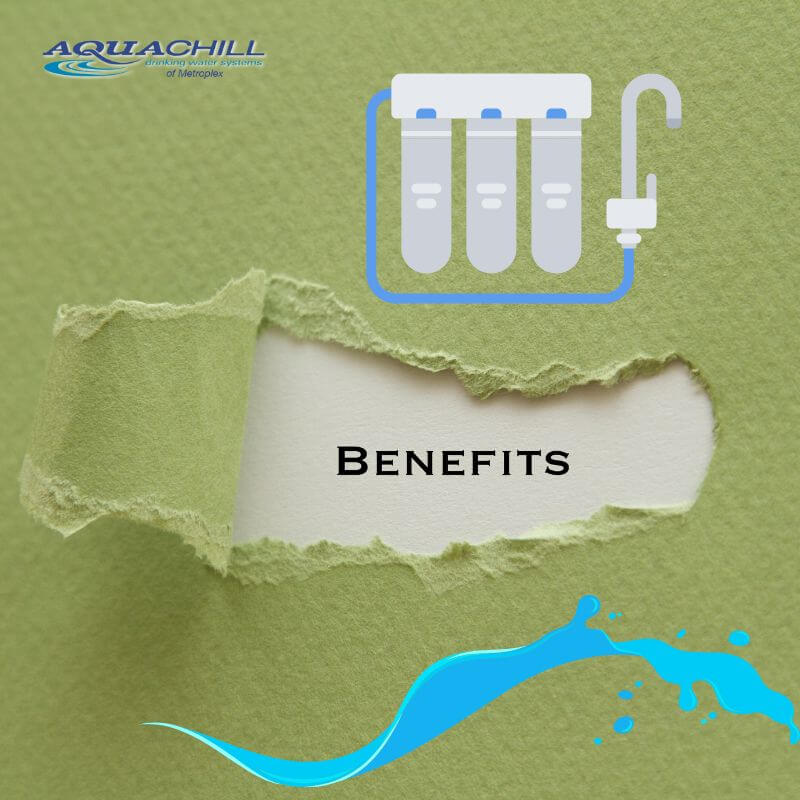
The Benefits of Reverse Osmosis
Improved Water Quality: RO systems effectively reduce harmful contaminants like lead, chlorine, and pesticides, ensuring safer drinking water.
Enhance Taste and Remove Odor: The filtration process improves the taste and smell of water, making it appealing in every way.
Health Advantages: By removing detrimental substances, reverse osmosis supports better overall health.
Environmental Benefits: Reverse osmosis systems reduce the dependency on bottled water, thus decreasing plastic waste and promoting sustainability.
Common Applications of Reverse Osmosis in the Metroplex
Residential Use: Many homes in the Metroplex utilize RO systems to ensure their tap water is pure and safe.
Commercial Settings: Local businesses, including cafes and breweries, rely on high-quality water for the best product taste and safety.
Industrial Applications: From manufacturing to pharmaceuticals, industries require purified water to meet strict quality standards.
Municipal Water Treatment: RO technology is also employed at the community level to provide clean drinking water across cities.
Selecting the Right RO System for Metroplex Residents
Water Quality Assessment: Identify specific local contaminants that need removal.
Filtration Stages: Opt for systems with multiple stages, including sediment and carbon filters, for comprehensive purification.
System Efficiency: Consider the production rate and how much water the system can purify and store.
Maintenance Ease: Check how straightforward the system is to maintain and the availability of necessary components.
Durability of RO Systems
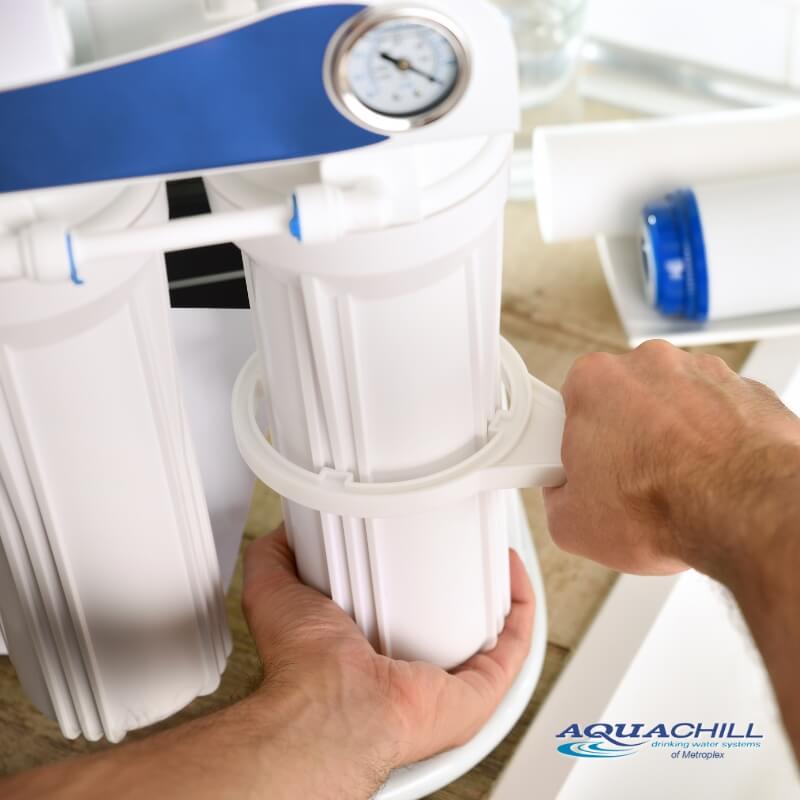
With proper maintenance, RO systems can last between 10 to 15 years.
Their longevity depends on the local water quality, frequency of use, and timely maintenance, including regular filter changes.
Ready to Begin?
For Metroplex residents, investing in an Aqua Chill reverse osmosis system means securing a reliable source of clean water.
By switching to clean water filtration technologies like Aqua Chill, residents and businesses in the DFW area can enjoy better-tasting, healthier, and more environmentally friendly water solutions.