
Hard water is water that contains high levels of dissolved minerals, primarily calcium and magnesium. These minerals are picked up as water flows through limestone, chalk, or gypsum deposits in the earth. While hard water is generally safe to drink, it can cause various problems.
So, how can you tell if your water is hard? Look for the usual suspects: soap scum buildup in the bathroom, spots on your glassware, or that crusty residue around your faucets. If you’re nodding, you’ve likely got some hard water on your hands.
Understanding the Causes of Hard Water
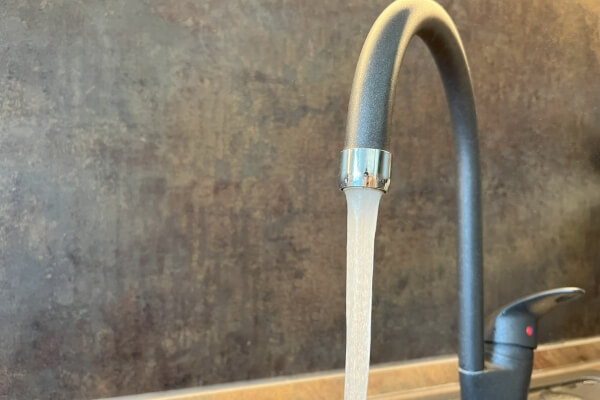
Hard water mainly comes from the natural mineral content in the ground. When water trickles through mineral-rich rocks like limestone or chalk, it dissolves calcium and magnesium into the water. This is why certain areas, especially those with much limestone, tend to have harder water than others.
Human activities such as agriculture or industrial processes can sometimes introduce additional minerals into the water supply. Still, the primary source is usually just the natural composition of the earth beneath us.
Exploring the Negative Effects of Hard Water
Why should you care about hard water? It can cause a few hiccups around your home and even impact your personal care routine. Here’s how:
- Appliance Strain: Hard water causes scale buildup in appliances like dishwashers and water heaters, reducing efficiency and lifespan.
- Plumbing Issues: Mineral deposits in pipes can lead to clogs, reduced water flow, and potential corrosion, resulting in leaks and costly repairs.
- Skin and Hair Problems: Hard water leaves a residue on the skin and hair, causing dryness, itchiness, and dullness.
- Cleaning Struggles: Hard water makes soaps less effective, leaving spots on dishes, film in sinks, and clothes feeling rough.
How to Test for Hard Water
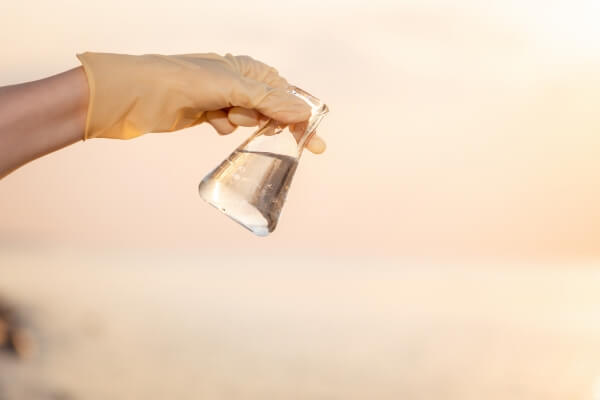
If you need help determining whether you have hard water, testing it at home is easy. Grab a clear bottle, fill it halfway with water, and add a few drops of liquid soap. Could you give it a good shake? You've got soft water if you see lots of bubbles, and the water stays clear. You've got hard water if the water looks cloudy with few bubbles.
For a more precise check, you can use a water hardness test kit, which you can find at most home improvement stores. These kits will give you a detailed reading of the mineral content in your water so you can decide on the best course of action.
Fighting Back: Solutions for Hard Water
Challenging water problems can feel like a never-ending battle, leaving your fixtures covered in scale and your appliances running inefficiently. The smart way to address this is with a water filtration system that softens and purifies the water.
That’s where Aqua Chill steps in. Their advanced water filtration system reduces minerals that cause hardness, giving you soft, clean water that’s perfect for drinking, cleaning, and extending the life of your plumbing.
Our solution is easy to install. It requires minimal maintenance, providing a stress-free approach to tackling hard water so you can enjoy a more comfortable and hassle-free home environment.
Achieving Clean Water: A Final Thought
Understanding what hard water is and its impact is the first step toward finding a solution. Installing a reliable water filtration system is one of the best ways to address hard water issues. That’s where Aqua Chill comes in.
Our advanced filtration technology targets and reduces those pesky minerals, delivering clean, pure water straight to your home or business.
With our system, you’re investing in a long-term, hassle-free solution to your hard water problems. It protects your appliances and plumbing, gives you water that feels better on your skin, works better with soap, and leaves your glassware sparkling. Sounds like a win-win.