
Staying hydrated is essential for maintaining overall health and well-being, but determining the right amount of water to drink each day can be confusing.
The age-old advice of "eight glasses a day" may not be one-size-fits-all, as individual hydration needs vary based on factors such as activity level, climate, and personal health.
The Importance of Hydration
Hydration plays a crucial role in maintaining overall health and well-being, impacting everything from physical performance to cognitive function. Water is essential for regulating body temperature, lubricating joints, and aiding digestion.
Proper hydration ensures that cells function optimally, which is vital for energy production and nutrient absorption. Hydration improves concentration, memory, and mood, making it easier to stay focused and productive throughout the day.
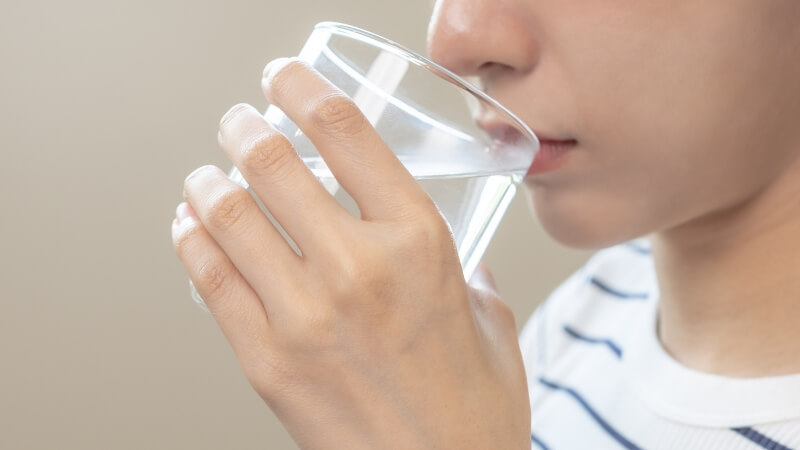
Functions of Water in the Body
Water is indispensable for the human body, performing a multitude of critical functions that sustain life and promote health. It acts as a universal solvent, facilitating biochemical reactions by dissolving and transporting nutrients, oxygen, and waste products to and from cells.
Water helps regulate body temperature through perspiration and respiration, ensuring optimal functioning of enzymatic processes.
Factors Influencing Water Needs
Understanding the factors influencing water needs is crucial for maintaining optimal health and well-being. One of the primary factors is age; children and the elderly often require more water due to higher metabolic rates and decreased kidney function, respectively.
Physical activity level also plays a significant role, as active individuals lose more water through sweat and need to replenish it to stay hydrated. Environmental conditions, such as high temperatures and humidity, increase the body's water loss, necessitating higher intake.
Recommended Daily Water Intake
- General Guidelines: Most health experts recommend drinking at least 8 cups (64 ounces) of water per day, known as the "8x8 rule," to maintain proper hydration.
- Individual Needs: Daily water intake can vary based on age, weight, sex, and overall health. For instance, men typically need around 3.7 liters (125 ounces) and women need about 2.7 liters (91 ounces) of water daily from all beverages and foods.
- Activity Level: People who exercise regularly or engage in physically demanding activities may need to increase their water intake to compensate for fluid lost through sweat.
- Climate Considerations: Those living in hot or humid climates may require more water to stay hydrated, as the body loses more fluid through perspiration.
- Health Conditions: Certain medical conditions, such as kidney stones or urinary tract infections, may necessitate higher water intake. Conversely, conditions like heart failure or some kidney disorders might require fluid restrictions.
- Dietary Influences: Consuming high amounts of protein, fiber, or salty foods can increase the body's need for water to aid in digestion and waste elimination.
- Hydration Indicators: Thirst is a late indicator of dehydration. Other signs like dark yellow urine, dry skin, and fatigue can also signal that you need more water.
- Water-Rich Foods: Incorporating fruits and vegetables with high water content, such as cucumbers, watermelon, and oranges, can contribute to your daily hydration needs.
Signs of Dehydration and Overhydration
Dehydration occurs when your body loses more fluids than it takes in, leading to symptoms such as dry mouth, fatigue, dizziness, and dark yellow urine. In contrast, overhydration, or water intoxication, happens when you drink excessive amounts of water, diluting essential electrolytes in your body.
This can result in symptoms like headaches, nausea, confusion, and clear urine. Recognizing these signs helps you maintain a healthy balance, ensuring your body functions effectively without the risks associated with either extreme.
Practical Tips for Staying Hydrated
- Carry a Reusable Water Bottle: Having a reusable water bottle on hand encourages you to drink water throughout the day, ensuring you have easy access to hydration whether you're at work, running errands, or working out.
- Set Reminders: Use your phone or a hydration app to set regular reminders to drink water. These prompts can help establish a consistent habit and prevent you from going long periods without hydration.
- Infuse Your Water: Adding a splash of flavor to your water can make it more enjoyable to drink. Try infusing your water with fruits like lemon, lime, or berries, or even herbs like mint and basil for a refreshing twist.
- Eat Water-Rich Foods: Incorporate foods with high water content into your diet, such as cucumbers, watermelon, oranges, and strawberries. These foods can help boost your overall hydration levels while providing essential nutrients.
- Monitor Your Intake: Keep track of your water consumption to ensure you're meeting your hydration goals. Aim for at least eight 8-ounce glasses of water per day, but adjust based on your activity level, climate, and individual needs.
routine.
Determining Proper Hydration
To accurately assess your hydration levels, pay attention to physical signs such as the color of your urine, which should be a light straw hue if you're adequately hydrated.
Monitor your thirst, as feeling thirsty is a clear indicator that your body needs more fluids. Keeping track of fluid intake, especially during hot weather or intense physical activity, helps ensure you meet your body's hydration needs.
Ultimately ensure clean and safe drinking water for your daily needs.