
Having clean drinking water is crucial for our health and happiness. Think of it like having a fresh air supply—just as vital and often taken for granted. Even in the DFW Metroplex, lead contamination can sneak into our water.
By understanding how lead gets in, what it does to our health, and how we can stop it, we can keep our water safe.
Understanding Lead Contamination
Lead is a dense metal that tarnishes from a bluish-white color to dull gray when exposed to air. While its use in products like paint and gasoline has decreased due to health concerns, lead can still enter drinking water through various sources:
- Aging Plumbing Systems: Older homes often have pipes and fixtures that can leach lead into water.
- Natural Lead Deposits: Some areas have natural deposits of lead that can contaminate groundwater.
- Industrial Sources: Both past and current industrial activities can lead to higher levels of lead in local water supplies.

Health Impacts of Lead Exposure
Lead is harmful to multiple bodily systems, making its presence in drinking water a significant health concern.
Neurological Effects
Children are especially vulnerable to lead poisoning. Even low levels of lead exposure can lead to reduced IQ, attention problems, and learning difficulties. These effects can be long-lasting and impact overall development.
Cardiovascular Risks
Adults exposed to lead are at an increased risk of high blood pressure and cardiovascular diseases. Lead can build up in the arteries, leading to conditions like atherosclerosis, which increases the risk of heart attacks and strokes.
Developmental and Reproductive Concerns
Lead exposure can slow growth and development in children, and it can disrupt reproductive health in adults. Men may experience reduced fertility, while women face higher risks of miscarriages and premature births.
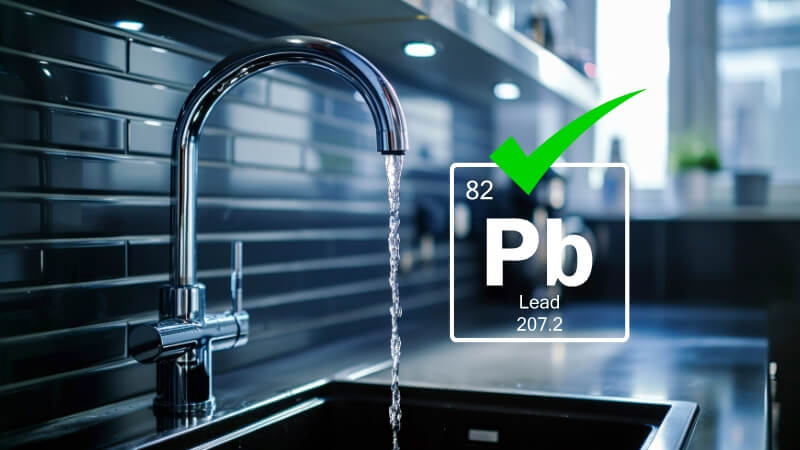
Detecting Lead in Your Water
Indicators of potential lead contamination include changes in water taste, smell, or appearance. Reviewing historical data about your home’s plumbing and local infrastructure can also help identify risks.
Regular testing, especially after plumbing changes, is crucial. Professional testing services can provide accurate measurements of lead levels in your water.
Preventing Lead Contamination
Immediate Measures
- Run Cold Water: Letting cold water run for a few minutes before use can help flush out lead-contaminated water.
- Use Cold Water for Consumption: Cold water is less likely to dissolve lead from pipes.
- Clean Faucet Screens: Regularly clean aerators to remove any trapped lead particles.
- Be Cautious with Discolored Water: Avoid using water that appears cloudy, has a metallic taste, or is discolored until it has been tested.
Long-Term Solutions
- Upgrade Plumbing: Replacing old lead pipes and fixtures is the most effective way to eliminate lead contamination.
- Install Certified Filters: Use filters certified by NSF/ANSI Standard 53 to remove lead from drinking water.
- Maintain Your System: Regular maintenance of filters and plumbing systems ensures ongoing protection against lead.
Aqua Chill’s Role in the Metroplex
Here at Aqua Chill, we are dedicated to providing the Dallas-Fort Worth area with advanced water filtration systems that effectively remove lead and other contaminants. Even during the hot Texas summers, our systems are designed for both homes and businesses, ensuring that your water is safe and clean.
We offer regular maintenance and prompt service to keep your water filtration system working optimally. Contact Aqua Chill Metroplex today to schedule an appointment and start securing your water quality.